
- Home
- PT design, Saudi Arabia
PT design review, optimisation and full PT packages in Saudi Arabia
Post-tensioned slab design, tendon layouts and calculations for Saudi buildings, to SBC 304 and ACI 318-19, from a Dubai-based PT design team with 15+ years in the GCC, including previous experience in Saudi Arabia.
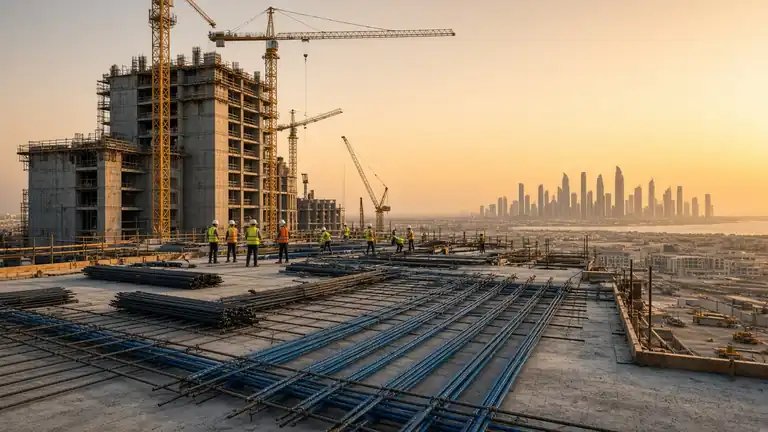
PT design review, optimisation and full packages across Saudi Arabia, delivered from Dubai.
Our team has previous post-tension experience in Saudi Arabia, and our lead engineer is registered with the Saudi Council of Engineers. Saudi PT work is part of our background, not something new.
We design post-tensioned flat slabs, banded-beam floors, podium and transfer slabs for residential, commercial and mixed-use buildings in Riyadh, Jeddah, Dammam, Al Khobar and elsewhere in the Kingdom. The work is delivered remotely from Dubai, as the PT design partner to a Saudi consultant of record or to a post-tensioning specialist contractor.
Building permits in the Kingdom go through the municipal process on the Balady platform, and in practice design documents are submitted by a locally registered engineering office. We prepare the PT design, calculations and drawings for that office’s review and stamp, and support it through comments. We do not replace it.
- Cities
- Riyadh · Jeddah · Dammam · Al Khobar · across the Kingdom
- Codes
- SBC 304 (concrete) · SBC 301 (loads) · ACI 318-19 · PTI DC80
- Systems
- Unbonded monostrand · bonded multistrand
- Software
- RAM Concept
- Delivery
- Remote from Dubai, in your title block and CAD standard
What changes when the slab is in the Kingdom.
The analysis is the same. The code basis, loads, exposure and seismic demand are not, and each of them can change the slab.
SBC 304 and SBC 301
Concrete design in the Kingdom follows the Saudi Building Code: SBC 304 for concrete structures and SBC 301 for loads, including wind and earthquake. SBC 304 was developed from the ICC and ACI 318 family, with Saudi modifications, so a PT slab is designed with ACI-style provisions under a Saudi load and durability basis. The edition in force changes over time, so we confirm the governing edition at kick-off.
Durability and exposure
SBC 304’s durability provisions address conditions that are common in the Kingdom: sulfate and chloride exposure, coastal sites, sabkha ground and salt weathering. For PT these drive concrete cover, the corrosion protection of the tendon system, and, for unbonded tendons in aggressive environments, the choice of an encapsulated system. We set them at scheme stage, because cover changes the usable drape and with it the prestress.
Seismic design category
Seismic demand varies considerably across the Kingdom, so we check the seismic design category before choosing the floor system. Where slab-column frames are not part of the seismic-force-resisting system, ACI 318-19 still requires slab-column connections in the higher categories to be checked for the design drift (§18.14.5). That can add shear reinforcement at columns that pass the gravity check.
Heat, shrinkage and long plates
Hot-weather concreting and large podium floor plates make early shrinkage and restraint cracking a real risk. Pour strips, early partial stressing and modelling the restraint from cores and walls are part of the design, not left to site.
The general method is set out on our post-tension slab design page, and the drawing set on PT shop drawings.
How a Saudi PT job runs remotely.
The same six stages we use in Dubai, adjusted for a remote handover to the stamping office.
Brief
Architectural set, SBC edition, seismic data, exposure, PT system and programme.
Scheme
Slab type, thickness and prestress level, compared against RC where useful.
Design
Full model, with checks at transfer and service, punching and drift compatibility.
Drawings
Tendon layouts, profiles, details and stressing schedules in your format.
Submission
Calculation report for the local office’s review and stamp, plus comment replies.
Site
RFIs, stressing record review and revisions, all handled remotely.
Saudi Arabia: cities, services and giga-projects.
Previous experience in Saudi Arabia, SCE registration and long familiarity with SBC 304 mean Saudi PT work is part of the practice's background. The four core services apply across the Kingdom: PT design review, PT design optimisation, preliminary design support and the full post-tension design package, with stressing support and site supervision by arrangement.
| Region | Typical PT structures | Design focus |
|---|---|---|
| Riyadh | Towers, mixed-use podiums, car parks | Hot-weather shrinkage, restraint, seismic category |
| Jeddah, Makkah, Madinah | Hotels, residential towers, podiums | Coastal durability, tendon protection |
| Dammam, Al Khobar, Dhahran, Jubail | Towers, car parks, industrial buildings, rafts | Aggressive exposure, sabkha, SBC 303 interface |
Giga-projects and large developments
Large programmes such as NEOM, the Red Sea developments, Qiddiya and ROSHN involve many consultants, contractors and PT specialists, with project-specific design standards on top of the Saudi Building Code. Iron Axis can support design teams and contractors on these programmes with PT design reviews, optimisation studies, design packages and stressing record review, working to the project's own specification and approval process. We do not claim past work on these programmes.
Who does the work: our engineering team, led by our Lead Engineer, brings 15+ years of post-tension design and site experience across the GCC, including previous experience in Saudi Arabia. We work to Dubai Municipality and the other UAE authorities' PT design and submission criteria, our lead engineer is registered with the Saudi Council of Engineers (SCE), and PT slabs are analysed and designed in RAM Concept. Iron Axis provides design and engineering only; PT materials and site works stay with the PT specialist contractor appointed for the project.
Questions we are asked about this.
Are you registered with the Saudi Council of Engineers?
Yes. Our lead engineer is registered with the Saudi Council of Engineers (SCE).
Which code is used for PT slabs in Saudi Arabia?
SBC 304 for concrete and SBC 301 for loads, which are based on the ACI 318 family; we confirm the governing edition at kick-off.
Who stamps the drawings?
A locally registered engineering office submits and stamps; we prepare the PT design for their review.
Can you review a PT design for a Saudi project?
Yes. A PT design review checks the model, calculations, tendon drawings and detailing against SBC 304 and the project specification.
Do you provide stressing supervision in Saudi Arabia?
Stressing support, calculated elongations and record review are available remotely; site attendance is arranged in the scope.
Can you support NEOM or other giga-project teams?
Yes, as a PT design reviewer or designer to the project's own standards. We do not claim past work on those programmes.
Related services and guides.
Most projects touch more than one of these. The Iron Axis home page has the full overview.
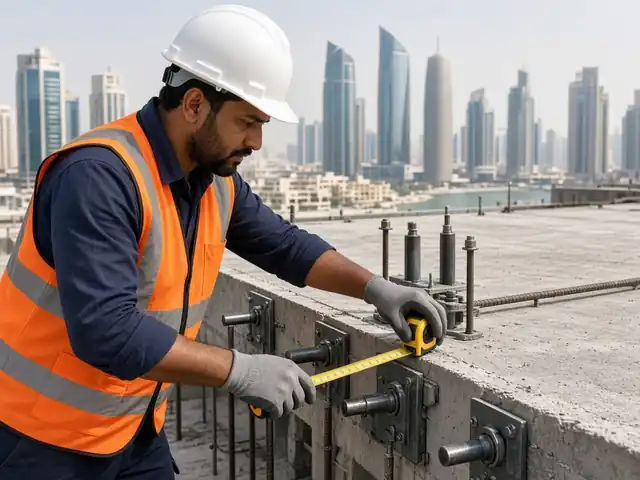
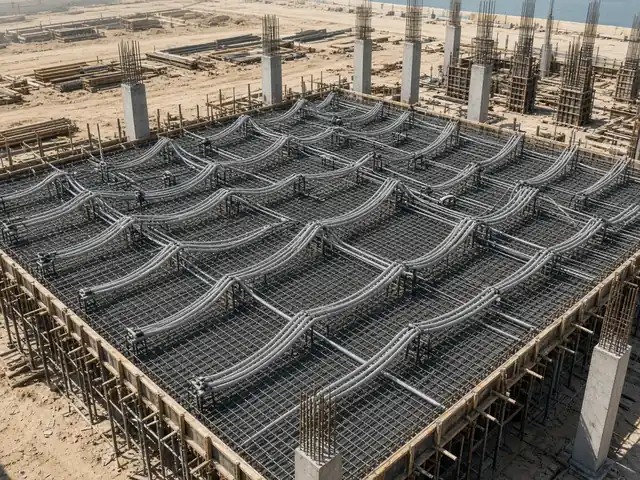
Send the drawings. Get an answer from our engineers.
WhatsApp or email the architectural or structural set, the location and what you need. The reply comes from the engineers who will do the work, with a proposed scope and programme.
- +971 52 118 2569
- Telephone
- +971 52 118 2569
- Office
- Al Warqa 1, Dubai, UAE
- Hours
- Sunday – Thursday, 09:00 – 18:00 GST